Guides
Best Employee Engagement Software 2026: 8 Tools Compared

Disengagement on a shift floor rarely starts as a survey score, it shows up as last-minute call-outs, quiet handovers, and crews who stop suggesting fixes, including quiet quitting before turnover rises. Many platforms headline eNPS (employee Net Promoter Score); this guide compares vendors, for the formula, benchmarks, and limits, see our eNPS glossary. Employee engagement software (also called an employee engagement platform) helps you listen continuously, recognise good work, and close the loop when morale dips. For deskless teams, that means mobile pulse checks, manager workflows between rushes, and recognition that does not depend on corporate email.
This 2026 guide to the best employee engagement software for shift-based teams compares eight platforms with pricing, screenshots, and selection criteria written for multi-location operators in hospitality, retail, and healthcare, not another generic HR top-10 built for headquarters-only cultures. If your immediate pain is rotas and clock-ins, start with our workforce management software comparison; this guide focuses on listening, recognition, and sentiment.
What is employee engagement software?
Employee engagement software (often called an employee engagement platform) centralises pulse surveys, feedback channels, recognition programmes, and analytics so HR and managers can spot disengagement early. Typical modules include eNPS, lifecycle surveys, peer shout-outs, rewards marketplaces, and manager action plans, sometimes bundled inside broader HR software.
What is employee engagement software used for on shift floors? Operators use it to hear from crew who lack desks, celebrate reliability during peak weeks, and track whether site managers act on feedback. That is different from pure scheduling software (rotas only) or full talent management suites focused on hiring and performance cycles.
A practical frontline engagement stack often includes:
- Pulse and lifecycle surveys, onboarding, quarterly pulses, and exit signals with anonymity controls
- Recognition and rewards, peer-to-peer appreciation tied to values or milestones
- Manager workflows, action plans, 1:1 prompts, and team-level dashboards
- Analytics, eNPS trends, heat maps by site or role, and export to HRIS
Engagement tools measure sentiment; they do not replace fair shift planning or accurate time tracking. The best programmes pair software with operational habits, predictable schedules, clear comms, and follow-through when crew raise issues.
Employee engagement software at a glance (2026)
What is the best employee engagement software? There is no universal winner. Enterprise HR may choose Culture Amp; recognition-first cultures may pick Motivosity or Bonusly; hourly networks often shortlist Connecteam or Workforce.com for mobile feedback. Use the table below to build a shortlist, then pilot two employee engagement tools on your busiest location.
| Software | Best for | Starting price | Frontline fit | Free trial |
|---|---|---|---|---|
| Connecteam | Frontline hub (comms + pulse) | Free ≤10 users; paid from approx. $29/mo | Strong | Free tier |
| WorkTango | Surveys + recognition suite | Custom quote | Moderate | Demo-led |
| Culture Amp | Benchmarked engagement surveys | Custom quote | Light (office-led) | Demo-led |
| Lattice | Performance-linked engagement | Custom quote | Light | Demo-led |
| Motivosity | Recognition-first culture | from approx. $3/user/mo (minimums apply) | Moderate | Demo-led |
| Bonusly | Peer micro-bonuses | from approx. $5/user/mo | Moderate | Demo-led |
| Nectar | SMB rewards catalogue | from approx. $3/user/mo | Moderate | Demo-led |
| Workforce.com | Hourly feedback + labour analytics | Custom quote | Strong | Demo-led |
Prices approximate, as of July 2026. Confirm on vendor sites before purchase.
Note: Enterprise EX platforms (Workday Peakon, Qualtrics) target global people science programmes. For 10–200 workers per site, the SMB and frontline tools above are usually faster to adopt.
How we evaluated these tools
We scored each platform on criteria that matter when managers run engagement between service peaks:
- Mobile adoption, crew can complete pulses and recognition without a desktop HR portal
- Survey flexibility, pulse, lifecycle, and anonymous employee engagement survey tools with manager-friendly reporting
- Recognition mechanics, peer shout-outs, rewards, and values alignment managers will actually use
- Manager action loops, dashboards and nudges that turn scores into site-level fixes
- Integrations. HRIS, Slack/Teams, and exports to payroll or time systems
- Pricing transparency, clear per-seat maths before you scale past site two
We excluded pure wellness apps and event-only team-building marketplaces from the detailed shortlist. Many US listicles on employee engagement software rank office-first recognition tools, this guide prioritises operators who live on shift floors.
We also watched for AI-assisted pulse analysis and automated manager nudges in 2026 demos, useful for spotting themes across sites, but not a substitute for supervisors acting on scheduling or safety feedback within a week.
Ask vendors to demo a full pulse → manager action → recognition loop on a phone. If supervisors cannot complete the workflow in one break, adoption will collapse during peak trading weeks.
The 8 best employee engagement software options for shift teams
Below are concise profiles with July 2026 homepage screenshots, strengths, limitations, and who should shortlist each platform. The eight vendors in the comparison table are dedicated engagement tools; Ordio appears first as an operational complement when pulse themes point to scheduling fairness and records, not as a replacement for Culture Amp, Motivosity, or Connecteam listening modules.
Ordio
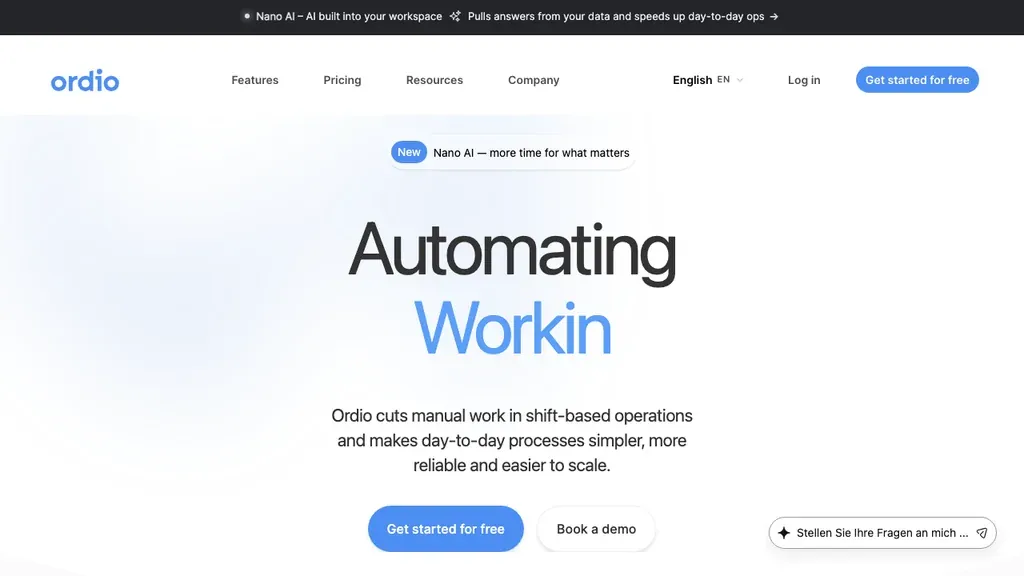
Best for: Multi-location EU operators who need fair shift planning, employee records, and floor-ready comms, not a standalone engagement survey suite.
Who it's for: GMs and HR leads who see “scheduling fairness” and “communication” themes in pulse results and want operational fixes alongside listening tools.
When crew cite “feeling heard” in surveys but still complain about last-minute rota changes, the gap is often operational, not another annual survey. Ordio keeps records and shift changes in one manager workflow so follow-through is visible on the floor.
Pros: Location-based pricing; mobile rota and time tools; document storage adjacent to daily ops. Cons: Ordio is not employee engagement software, no eNPS benchmarks, rewards marketplace, or pulse-science templates like Culture Amp or Motivosity.
Verdict: Pair Ordio with a dedicated engagement vendor above when operations, not only sentiment, drive crew trust.
See how clearer shift operations support crew trust:
Connecteam
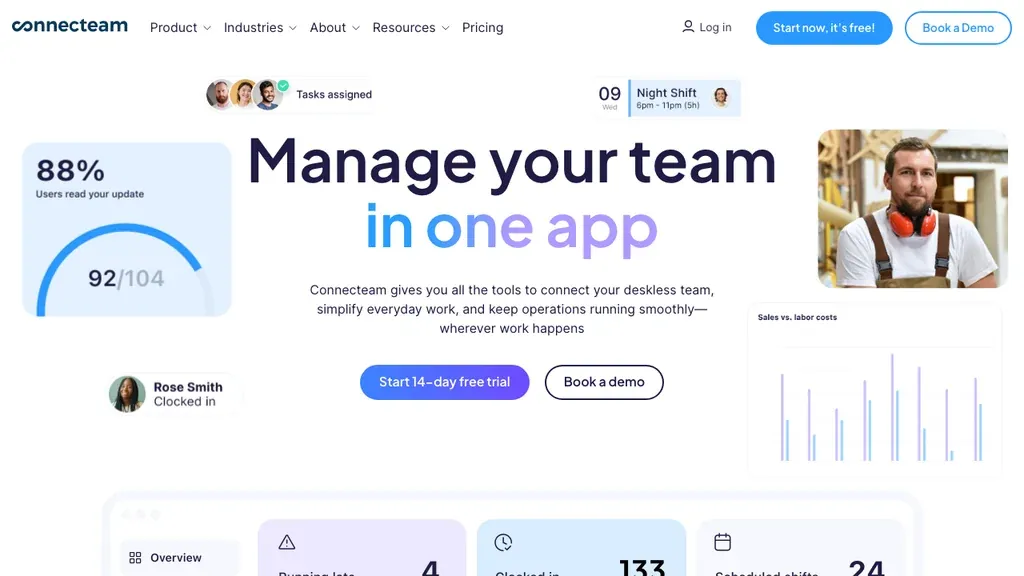
Best for: Deskless teams wanting pulse surveys, chat, recognition, and HR forms beside daily operations.
Who it's for: Field supervisors and ops leads who coordinate crews via mobile and need engagement tasks in the same hub.
Pros: Generous free tier for small teams; strong frontline UX; modules for updates, training, and surveys. Cons: Hub pricing grows with modules; lighter on EU-specific workforce compliance depth than EU-native stacks.
Verdict: Connecteam fits when comms, checklists, and lightweight engagement beat a standalone survey vendor.
Teams that already coordinate via mobile updates often adopt Connecteam quickly because pulses sit beside daily ops tools. If your buyer question is EU labour-law document retention or multi-country contract storage, validate exports early, hub tools can be lighter on compliance depth than dedicated HRIS or EU-focused platforms.
WorkTango
Best for: Organisations wanting combined surveys, goals, and recognition in one people platform.
Who it's for: HR teams replacing annual-only surveys with continuous listening and manager action plans.
Pros: Strong survey science heritage (Kazoo + WorkTango); recognition and insights in one stack. Cons: Implementation can feel enterprise-leaning for very small sites; pricing is quote-based.
Verdict: Shortlist WorkTango when survey depth and recognition must live in one system, validate mobile completion on shift workers.
WorkTango suits HR teams consolidating Kazoo-era recognition with modern pulse science, useful when you want one vendor contract instead of separate survey and rewards tools. For single-site cafés, confirm minimum seats and implementation scope before you compare lighter SMB apps.
Culture Amp
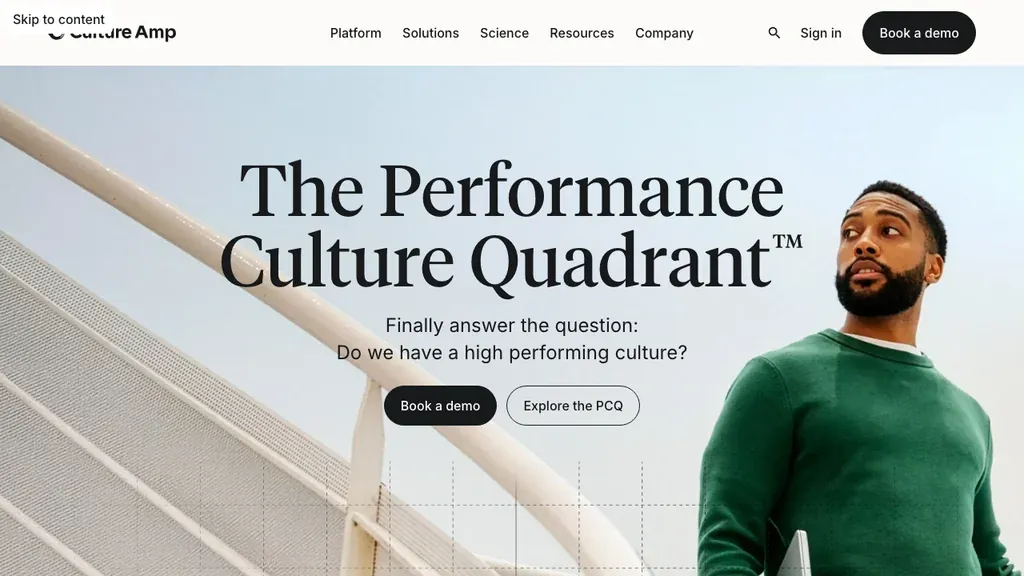
Best for: Mid-market and enterprise HR wanting benchmarked engagement surveys and people science.
Who it's for: People analytics leads who need trusted templates, benchmarks, and executive-ready reporting.
Pros: Industry benchmarks; strong survey design support; broad EX module set. Cons: Less shift-floor native than frontline hubs; per-seat costs rise quickly on hourly headcount.
Verdict: Culture Amp shines for office-led programmes with budget for benchmarks, pair with frontline comms if crew lack email.
UK and Ireland buyers often evaluate Culture Amp beside Workday Peakon, both ship strong benchmarks, but hourly adoption still depends on SMS or kiosk-style completion paths. Ask for site-level heat maps, not only company-wide eNPS, before you sign. If your shortlist is drifting into broader people dashboards (turnover, labour cost, attrition risk), compare dedicated HR analytics software separately from engagement survey platforms.
Lattice
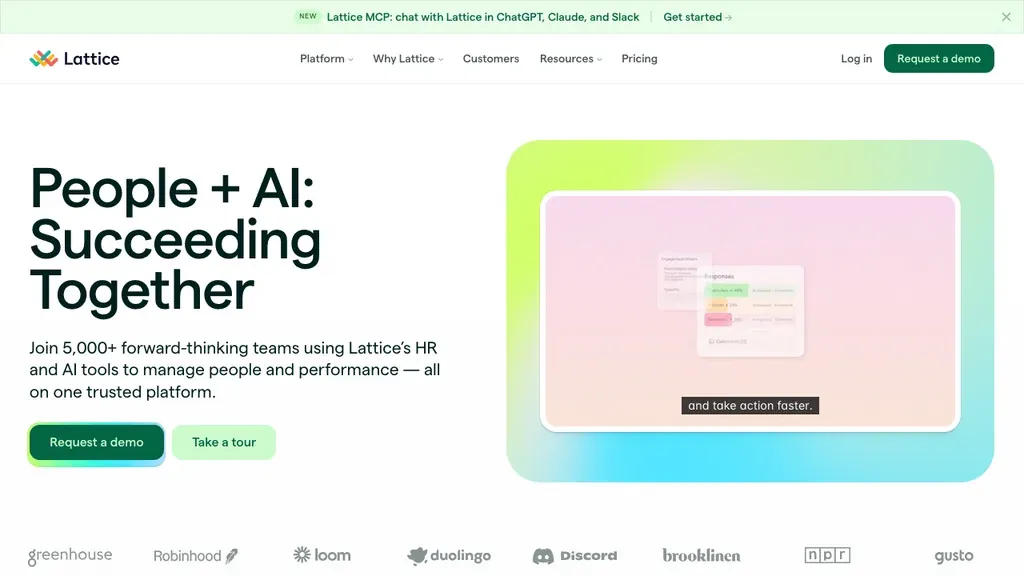
Best for: Teams linking engagement pulses to performance reviews and growth conversations.
Who it's for: HR and people managers building feedback culture in knowledge-work or hybrid teams.
Pros: Tight performance + engagement loop; manager workflows for goals and 1:1s. Cons: Hourly hiring velocity and cert storage are lighter than TMS specialists, see our talent management software guide for hire-to-retain tooling.
Verdict: Use Lattice when engagement is part of a performance programme, not as the only system for 200 seasonal hires. For shift supervisors, simplify review cadences to monthly floor check-ins; otherwise completion rates collapse during peak trading weeks.
Motivosity
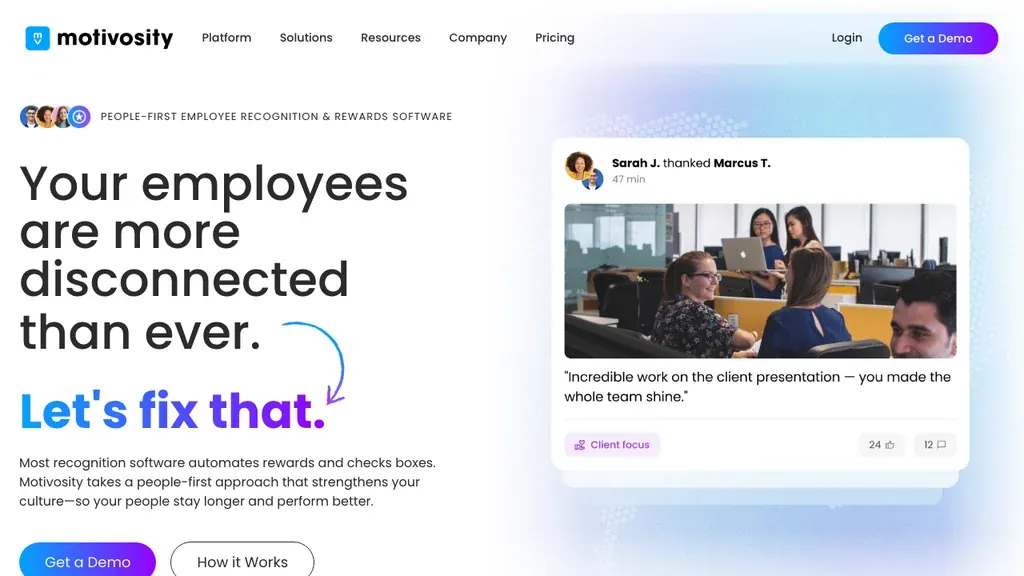
Best for: Culture-heavy organisations prioritising peer recognition and values-based shout-outs.
Who it's for: HR leaders fighting disengagement with visible appreciation and lightweight pulse checks.
Pros: Social-feed recognition; rewards marketplace; engagement surveys in newer modules. Cons: Minimum annual spend can exclude very small operators; less scheduling/WFM adjacency.
Verdict: Motivosity works when recognition cadence is the main gap, confirm survey analytics meet your reporting needs.
Motivosity’s social feed fits culture-heavy brands where shout-outs should be visible across districts, less ideal when crews rarely open non-work apps. Pilot whether floor staff redeem rewards without a desktop login before you commit to a multi-year recognition budget.
Bonusly
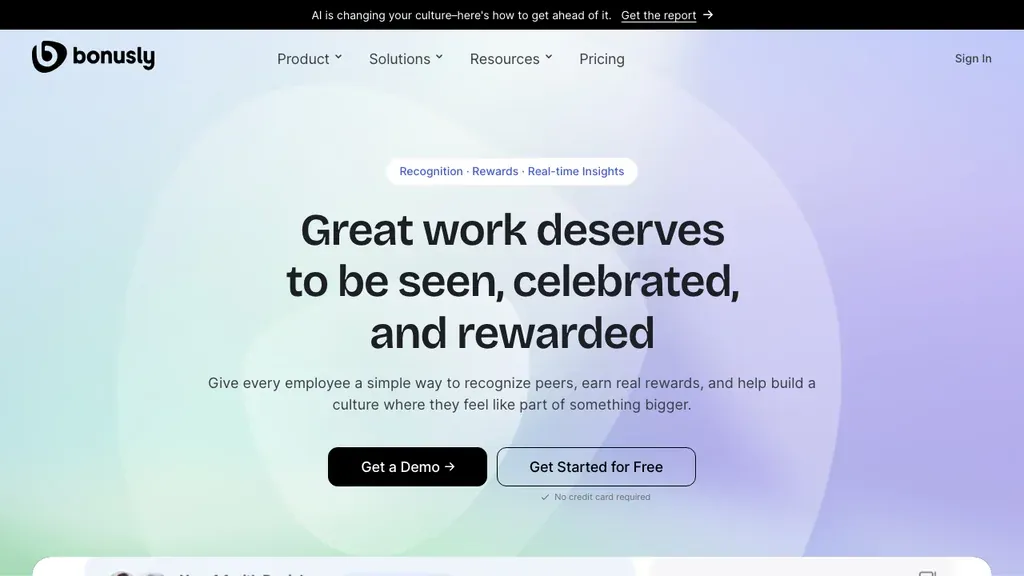
Best for: Teams wanting fast-to-roll-out peer bonuses and public appreciation.
Who it's for: Managers who need a simple recognition feed integrated with Slack or Teams.
Pros: Low friction rollout; micro-bonuses; values-tagged recognition. Cons: Not a full EX suite, survey and action-plan depth is lighter than Culture Amp or WorkTango.
Verdict: Bonusly is a strong recognition layer, pair with a pulse tool if listening is your primary gap.
Bonusly rolls out quickly in Slack- or Teams-heavy HQ + store hybrids, managers tag values in public channels crew already monitor. If your workforce is mostly phone-only without corporate chat, confirm SMS or kiosk paths before you assume adoption.
Nectar
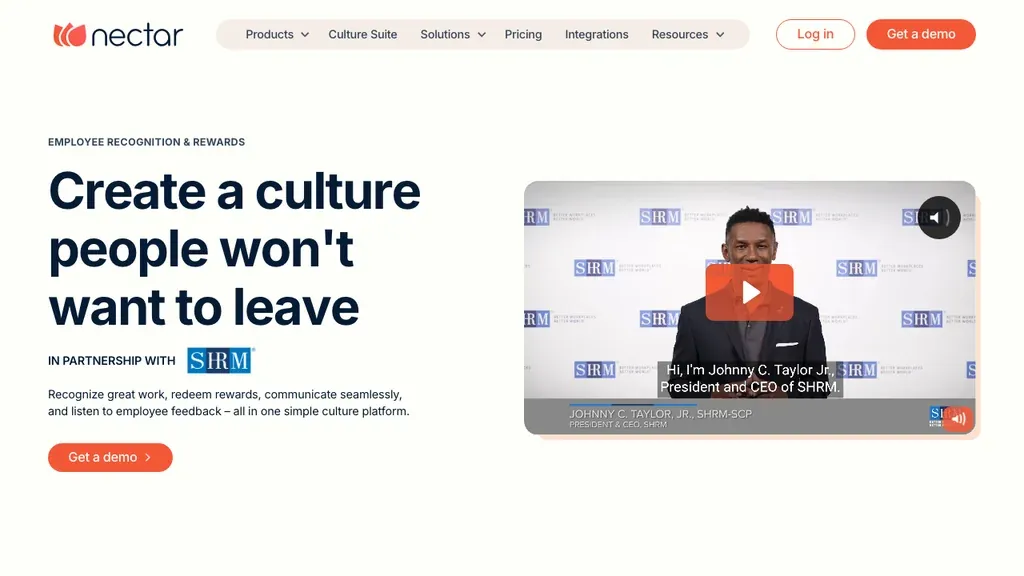
Best for: SMBs seeking affordable recognition with a broad rewards catalogue.
Who it's for: HR generalists replacing ad-hoc gift cards with a structured points programme.
Pros: Peer recognition; milestone automation; gift cards and swag in one catalogue. Cons: Analytics less enterprise-grade; may need HRIS integration for larger headcount.
Verdict: Nectar fits cost-conscious SMBs, pilot redemption rates with frontline staff before multi-site rollout.
Nectar’s catalogue model works when crews value gift cards and swag over cash-like bonuses, track redemption in week two of a pilot. If district managers need district-level engagement roll-ups, confirm reporting depth before you outgrow SMB tiers.
Workforce.com
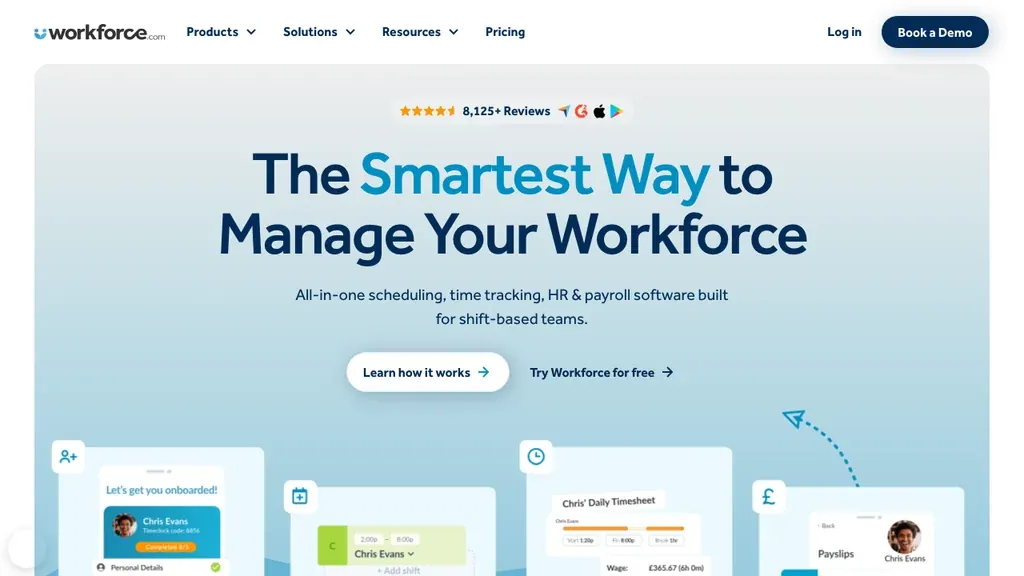
Best for: Hourly employers collecting shift-floor feedback and tying it to labour analytics.
Who it's for: Multi-site operators in hospitality, retail, and healthcare with high hourly turnover.
Pros: Mobile feedback tuned for hourly staff; links engagement signals to workforce data. Cons: US/AU heritage, confirm EU data residency if you operate in the DACH core.
Verdict: Workforce.com is a credible hourly anchor, compare with Connecteam if you also need a broader frontline hub.
Hourly employers use Workforce.com when feedback themes should sit beside labour cost and attendance data, useful when district managers ask “is morale dropping where overtime spikes?” If you operate EU sites, confirm data residency and GDPR-aligned survey anonymity before rollout.
Employee engagement vs talent management vs WFM vs HRIS
Search results mix four categories. Use this filter before you buy:
- Employee engagement software: Pulse surveys, eNPS, recognition, sentiment analytics, and manager action plans
- Talent management software (TMS): Hiring, onboarding, performance cycles, and development across the lifecycle (TMS guide)
- Workforce management (WFM): Daily shift operations, rotas, clock-ins, absence, labour reporting (WFM guide)
- HRIS / HR software: Employee records, payroll admin, policies, may bundle light engagement without frontline depth (HR software guide)
When engagement leads: Turnover is rising but hiring is stable, you need listening, recognition, and visible follow-through. When TMS leads: Hiring volume, onboarding chaos, or review cadences are the bottleneck. When WFM leads: The pain is last-minute cover, break compliance, and plan-to-payroll hours, engagement scores will not fix rotas alone. When HRIS alone is enough: Small desk teams with stable schedules and simple listening needs.
Lattice spans engagement and performance; Connecteam spans comms and lightweight HR. Map your top three pain points before you pay for overlapping modules.
Employee engagement platform and employee engagement software are often used interchangeably in US search, both describe tools for listening, recognition, and sentiment analytics. The distinction that matters for buyers is coverage: full EX suites versus recognition-only apps versus operational stacks that fix scheduling fairness beside surveys.
The 4 types of employee engagement (and the 5 C's)
What are the 4 types of employee engagement? People science often groups engagement into four dimensions:
- Cognitive, understanding and believing in company direction
- Emotional, pride, belonging, and trust in managers
- Behavioural, discretionary effort, reliability, and initiative
- Social, connection with teammates across shifts and sites
On shift floors, behavioural and social engagement show up as covering a rush, mentoring new crew, and speaking up about safety. Software tracks signals; managers reinforce habits.
In practice: cognitive disengagement rises when crews do not understand schedule changes; emotional disengagement follows broken manager trust after ignored feedback; behavioural disengagement shows up as no-shows when rotas feel arbitrary. Your programme should tie pulse themes to site-level fixes within 30 days, not only company-wide dashboards.
What are the 5 C's of employee engagement? Career, congratulate, connect, contribute, and confidence, leaders offer growth paths, recognition, relationships, meaningful work, and honest communication. A monthly pulse without congratulating reliable crew or fixing scheduling pain will read as hollow.
For shift supervisors, translate the 5 C's into weekly habits: congratulate reliability after busy services, connect new hires to a buddy on the next rota, and contribute by acting on one crew suggestion per month, software tracks whether those habits happen.
Employee engagement software pricing (what teams pay)
Most employee engagement platforms price per user per month, with recognition budgets sometimes billed separately:
- Recognition-led SMB: Bonusly or Nectar from roughly $3–$6/user/mo
- Frontline hubs: Connecteam free tier; paid hubs from approx. $29/mo plus per-user modules
- Survey + science platforms: Culture Amp, WorkTango, custom quotes, often $5–$15+/user at scale
- Hourly workforce suites: Workforce.com, quote-based, frequently bundled with scheduling/labour analytics
Illustration: 40 hourly employees at $5/user/month ≈ $200/month before rewards float or implementation. Add 15–25% for year-two modules (lifecycle surveys, advanced analytics). Enterprise EX programmes can exceed $10/user when benchmarking and people science services are included.
In 2026 demos you will usually see four tiers: freemium hubs (Connecteam ≤10 users), recognition-led SMB (Bonusly, Nectar, Motivosity), survey-science quotes (Culture Amp, WorkTango), and hourly workforce bundles (Workforce.com with scheduling or labour analytics). Hidden costs include rewards budgets, SMS bundles, and manager time during rollout, model year-two headcount before annual contracts.
Illustrative totals for a 35-person restaurant site (July 2026, verify with vendors): 35 × $5/user ≈ $175/month on recognition-led pricing; Connecteam hub tiers vary by module count; enterprise quotes may include minimum annual commits. Compare bundled operational tools on Ordio pricing when engagement and scheduling fixes ship together.
Key features for hospitality, retail, and healthcare
Vertical requirements differ more than generic EX feature matrices suggest. Use the checklists below during demos, not only the marketing homepage.
Hospitality: Restaurants, bars, and hotels need pulses and recognition that survive Friday night service, not desktop HR portals managers never open.
- Mobile pulses after busy services with multilingual prompts where needed
- Anonymous channels for tip-policy or safety concerns
- Manager nudges when site eNPS drops week-over-week
- Rewards that work for part-time and seasonal staff
- Site-level heat maps so GMs see themes before district roll-ups lag a week
See Ordio for hospitality for industry-specific shift and records patterns alongside engagement pilots.
Retail: Multi-store chains need central listening standards with local execution, especially for seasonal peaks and inter-store transfers.
- Role-based dashboards for store vs district managers
- Integration with Slack/Teams for hybrid HQ + store comms
- Benchmarks by tenure (new hire vs experienced floor staff)
- Shorter pulses during peak trading weeks to avoid survey fatigue
See retail workforce patterns for multi-site scheduling context.
Healthcare: Care rosters must show qualifications on each shift, feedback loops should respect clinical time pressure and anonymity needs.
- Pulse templates for ward or clinic teams
- Action plans owned by nurse managers with audit trails
- Clear policies for protected concerted activity (operational guidance only, confirm with counsel)
- Pair engagement with realistic staffing visibility, chronic understaffing reads as disengagement in every survey
See healthcare scheduling and records for care-team requirements.
How to choose employee engagement software for hourly teams
Start with the listening gap on your floor, not the longest feature matrix. Work through these five steps in order:
- Define the listening goal, retention, safety culture, manager quality, or post-merger integration.
- Measure mobile completion, pilot two tools on one site; target >60% pulse completion without email invites.
- Assign action owners, every survey theme needs a site manager accountable for fixes within 30 days.
- Integrate lightly. HRIS sync for headcount; Slack/Teams for recognition; avoid CSV exports every Friday.
- Model total cost, seats, rewards budgets, implementation, and year-two analytics modules.
Before demos, list must-have integrations: HRIS employee IDs, whether managers receive action nudges on mobile, and whether survey themes can export to your workforce management or scheduling stack when “fair hours” dominates feedback.
During a two-week pilot, track three metrics: pulse completion rate on mobile without email invites, number of manager action items closed within 30 days, and one operational KPI (e.g. no-show rate on a problem shift). If completion falls below 50% in week one, simplify survey length before you blame “crew culture.”
Involve a crew lead and a shift manager in demos. If they cannot explain the app to a colleague in two minutes, floor adoption will stall. Ask each finalist for a reference site with similar headcount and seasonality, not only logo slides from headquarters accounts.
Common mistakes when buying employee engagement software
Most failed engagement rollouts are adoption and follow-through mistakes, not missing a checkbox on a feature matrix. Avoid these six patterns:
- Survey without action, publishing eNPS but ignoring scheduling complaints destroys trust.
- Desktop-only rollout, hourly workers need SMS, kiosk, or personal-phone flows.
- Overlapping tools, paying for recognition, EX, and HRIS modules that duplicate shout-outs.
- Annual-only listening, sentiment shifts weekly on shift floors; use pulses.
- Ignoring operations, engagement software cannot fix unpredictable rotas alone.
- Buying for HQ dashboards only, district roll-ups matter, but site managers must own action plans crew can see on the floor.
Run a 30-day pilot with one measurable operational improvement alongside survey scores. If two tools pass, compare total cost, seats, rewards float, and manager time, before you default to the better-known brand. Score vendors on action-loop completion, not slide-deck analytics alone.
US and UK compliance basics for engagement surveys
United States: Anonymous pulse programmes should document minimum group sizes before managers see team-level results, especially in small sites where “anonymous” can be guessed. Store acknowledgement of handbook or safety policies with timestamps; do not rely on managers saving screenshots in personal drives.
United Kingdom / Ireland: Confirm GDPR-aligned data handling, lawful bases for processing survey responses, and mobile access for non-desk workers. UK buyers often shortlist Peakon (Workday) or Officevibe alongside US vendors, validate anonymity thresholds and export for works councils or employee representatives where applicable.
EU / DACH operators: Even when US vendors support UK checks, confirm how EU sites store responses, manager access, and retention periods beside hiring and payroll data.
This article is operational guidance, not legal advice, validate rules with counsel for your sector and region.
When fair operations drive engagement (operational bridge)
Software measures sentiment; operations shape whether crew believe you will act. Predictable shift plans, visible schedule changes, accurate hours in time tracking, and organised employee records reduce the frustration that shows up as “disengagement” in pulses.
If surveys keep flagging “communication” or “scheduling fairness,” fix the operational layer while you pilot Culture Amp, Connecteam, or Motivosity for listening. Credibility comes from both, a strong eNPS with chaotic rotas usually means your next pulse will drop sharply.
Operators who see the fastest engagement gains usually run a simple rule: every pulse theme with more than ten mentions at a site gets a named manager owner and a dated fix visible to crew within 30 days. Software supplies the signal; rota fairness and follow-through supply the trust.
Where Ordio fits (honest guide)
Ordio is a strong complement for many EU shift operations, but not every team reading this guide should default to it. Use the lists below to stay honest and avoid category mistakes.
Ordio fits well when:
- Pulse themes repeatedly cite scheduling fairness, communication, or document chaos, not only “need more recognition”
- Multi-site operators in the EU core need employee files, shift planning, and time tracking beside daily crew work
- You want location-based packaging when headcount swings seasonally across venues
- Operational follow-through must be visible to the same managers who run engagement action plans
Ordio is not the best fit when:
- You need a standalone eNPS programme with industry benchmarks (Culture Amp, WorkTango)
- Recognition-first culture is the only gap. Motivosity, Bonusly, or Nectar may ship faster
- Your immediate pain is rotas and hours only, start with our workforce management software comparison instead
- You are procuring global enterprise EX (Workday Peakon, Qualtrics) with headquarters people science
Compare dedicated engagement vendors on the same two-week pilot; add Ordio when operations must change alongside sentiment scores, not as a substitute for listening tools.
Related guides for shift-based teams
Deeper Ordio resources: employee files, shift planning, time tracking, and pricing.
Comparison guides: HR software, talent management software, workforce management software, performance management software, performance review software, 360 feedback tools, employee scheduling software, and time tracking software.
Industry guides: hospitality, retail, and healthcare.
If you are weighing engagement against hire-to-retain tooling, read the talent management and HR software guides next, engagement covers listening and recognition; those guides cover hiring, records, and performance cycles when those are the bigger gaps. For multi-rater development cycles (not pulse surveys), see our 360 feedback tools guide.
Conclusion: pick the right employee engagement software for your team
There is no universal winner. The right employee engagement software for your team depends on whether listening, recognition, or manager follow-through is the constraint, not how many EX modules appear on an enterprise datasheet.
Shortlist Connecteam or Workforce.com for hourly mobile adoption, Motivosity or Bonusly for recognition-heavy cultures, and Culture Amp or WorkTango when survey science and benchmarks matter. Pilot two tools on one busy site, track completion and one operational metric, then scale. Pair any platform with fair scheduling and clear comms so crew see that surveys lead to change, not another inbox survey with no action. Add operational tooling such as Ordio only when pulse themes point to rotas, records, or follow-through, not as a substitute for dedicated listening software.
Frequently asked questions about Best Employee Engagement Software 2026
What is employee engagement software?
Employee engagement software (also called an employee engagement platform) is technology that helps HR and managers measure morale, collect feedback, run recognition programmes, and act on sentiment, usually through pulse surveys, eNPS, peer shout-outs, and analytics dashboards. For shift-based teams, practical adoption also depends on mobile access, manager workflows on the floor, and channels that reach workers without corporate email.
What is the best employee engagement software?
The best employee engagement software depends on your workforce, there is no single winner. Office HR teams often shortlist Culture Amp or WorkTango for survey science; recognition-first cultures may choose Motivosity or Bonusly. For hourly, multi-location teams, compare Connecteam and Workforce.com on mobile pulse adoption and manager action loops, then pilot two platforms on your busiest site for two weeks.
What are the 4 types of employee engagement?
The four types of employee engagement are cognitive (belief in the mission), emotional (pride and belonging), behavioural (discretionary effort and reliability), and social (connection with colleagues). On shift floors, behavioural and social engagement show up as covering a rush, mentoring new crew, and speaking up about safety, not only survey scores.
What are the 5 C's of employee engagement?
The 5 C's of employee engagement are career, congratulate, connect, contribute, and confidence, growth paths, recognition, relationships, meaningful work, and trust in leadership. Frontline managers translate this into clear shift standards, timely praise, fair schedules, and listening when crew raise operational issues.
What is an employee engagement tool?
An employee engagement tool (or employee engagement platform) is any system that helps you listen to employees and respond, pulse surveys, recognition feeds, suggestion boxes, or eNPS analytics. “Tool,” “platform,” and “software” are often used interchangeably; coverage ranges from standalone recognition apps to modules inside broader HR software or workforce management platforms.
What is the difference between employee engagement and talent management software?
Employee engagement software focuses on sentiment, feedback, and recognition. Talent management software covers hiring, onboarding, performance reviews, and development across the lifecycle. Workforce management software runs daily rotas, clock-ins, and labour reporting, engagement scores alone will not fix scheduling pain. Many operators combine two or three categories; Lattice spans engagement and performance. See our talent management and workforce management guides when those gaps dominate.
Which employee engagement software works best for hourly workers?
Hourly teams need mobile-first engagement software with high pulse completion on personal phones, manager dashboards that work between rushes, and recognition that does not require desk email. Connecteam bundles comms and pulse tools; Workforce.com targets hourly feedback beside labour data; Motivosity and Bonusly suit recognition-heavy floor cultures, validate adoption on a pilot site before enterprise rollout.
How much does employee engagement software cost?
Employee engagement software typically costs $3–$15 per user per month on SMB recognition or pulse plans, with enterprise platforms like Culture Amp on custom quotes. A 50-person site at $5/user is about $250/month before rewards float or implementation. Model minimum seats, recognition budgets, and survey modules separately: Connecteam offers a free tier for very small teams, but paid tiers add analytics and scale.
Is there free employee engagement software?
Yes, some vendors offer free tiers or trials. Connecteam includes a free plan for up to 10 users; others provide time-limited pilots. Free plans usually cap users, survey frequency, or recognition budgets. For multi-site operators, plan year-two costs before you standardise on a freemium hub that may not scale across locations.
What should UK and Ireland teams look for in employee engagement software?
UK and Ireland buyers should confirm GDPR-aligned data handling, anonymous survey thresholds, and mobile access for non-desk workers. Peakon (Workday) and Officevibe appear often in UK evaluations; US vendors like Culture Amp also ship UK benchmarks. Pair engagement tools with fair rota practices and clear comms, software alone does not fix last-minute schedule chaos. This is operational guidance, not legal advice.