Leisure & culture
Event staff scheduling Shift plans for venues, seasons, and festivals
Workforce software for events, seasonal peaks, and rotating teams.












Workforce planning for events & culture
Less chaos before doors open
Everyone sees the same schedule, fewer last-minute calls on show day.
Built for seasons and peaks
Short-notice shifts and rotating crews, without switching tools.
Hours captured cleanly
Temporary, part-time, and permanent staff, hours documented for payroll.
For events, seasons, and changing crews
In leisure and culture, teams change with every season and every show, static Excel plans break quickly.
Ordio combines shift plans, time tracking, and a team app so schedulers see availability and changes in one place.
That leaves more energy for guests, visitors, and the experience, not for endless phone chains.

Event workforce planning with overview
Plan load-in, front-of-house, tech, and breakdown, with last-minute changes everyone sees in the app. Ordio supports workforce planning for events, museums, clubs, and seasonal venues in one system. You avoid double bookings and gaps when many casuals and rotating crews run in parallel.
Time tracking for temps & seasonal staff
Staff clock in on the app, including part-time, casual, and seasonal workers, with documented hours for payroll. Plan and actual hours sit together instead of rebuilding lists after every event. That helps with many short shifts and makes records easier for reporting and payroll prep.
Payroll ready
With Payroll Plus, planned and actual data flow together, even with many short shifts and changing crews per event. You cut manual handoffs after festivals, trade shows, or peak season. Operations and the office work from the same data as payroll.
Team data centralised
Contracts, contacts, and documents for permanent staff and returning casuals live in one place, no scattered spreadsheets after each event. You find data faster and onboard new crew quicker. Workforce planning stays manageable on the organisational side too.
Everything for your event team, in one place
For festivals, museums, clubs, and seasonal venues, planning, availability, reporting, and run-of-show checklists.
Reporting and analytics
See hours and cost by event, season, or area, and learn from real numbers for the next show. Less guessing on headcount, less manual reconciliation from multiple sources. That supports quotes and workforce planning across your calendar.





Absence management
Availability, holiday, and last-minute absences run centrally, the rota stays current when the line-up or event day changes. Crew and casuals see updates in the app. Fewer phone chains the day before doors open.

Nano – planning help
Nano supports shift and staffing questions in your workspace, open shifts or cover before the event. You keep the final call in scheduling. Useful with rotating teams and short planning cycles.
Tasks and checklists
Run-of-show and safety checklists live in the app, clear for teams on site. Fewer missed steps during load-in, front-of-house, or load-out. Checklists complement rotas and time tracking on the operational event day.
Real success stories
See how other businesses use Ordio in practice
In our spotlight videos, hospitality, retail and service teams share how they optimize employee scheduling and shift planning, capture time and organize people with Ordio: first-hand stories from teams who use it every day.

“With Ordio we see all working hours at a glance, qualifications, perfect shift coverage, one tool for everything. That saves time and money.”
Marco Cohrt
Managing director

“With Ordio we manage studio staff nationwide efficiently and scale new locations much more easily.”
Maria Graffelder
YTTP

“We use Ordio at LANXESS arena for our entire workforce organisation.”
Stefan Löcher
Managing director, ARENA Management GmbH

“It's an absolute relief for our practice day-to-day. No more paperwork or Excel chaos.”
Dr. Verena-Vanessa Lehmann
Zahnarztpraxis Lehmann Lötzerich
“Ordio saves us 40% of the time we used to spend on workforce admin each week.”
Fabian
HR & procurement lead
“Ordio makes shift planning easier for our diverse team of therapists and trainers, so we can focus on patient care.”
Bilal Al-Sarray
Praxis Bilal

“Ordio gives us efficient shift planning and better team communication, clear and easy to customise.”
Jenifer Patrix
Operations manager

“With Ordio I opened a second shop without losing oversight.”
Maren Ernst
ERNST Kaffeeröster

“Ordio makes our day-to-day easier, the team organises itself and admin work is much lighter.”
Meike Mirbach
Studio manager
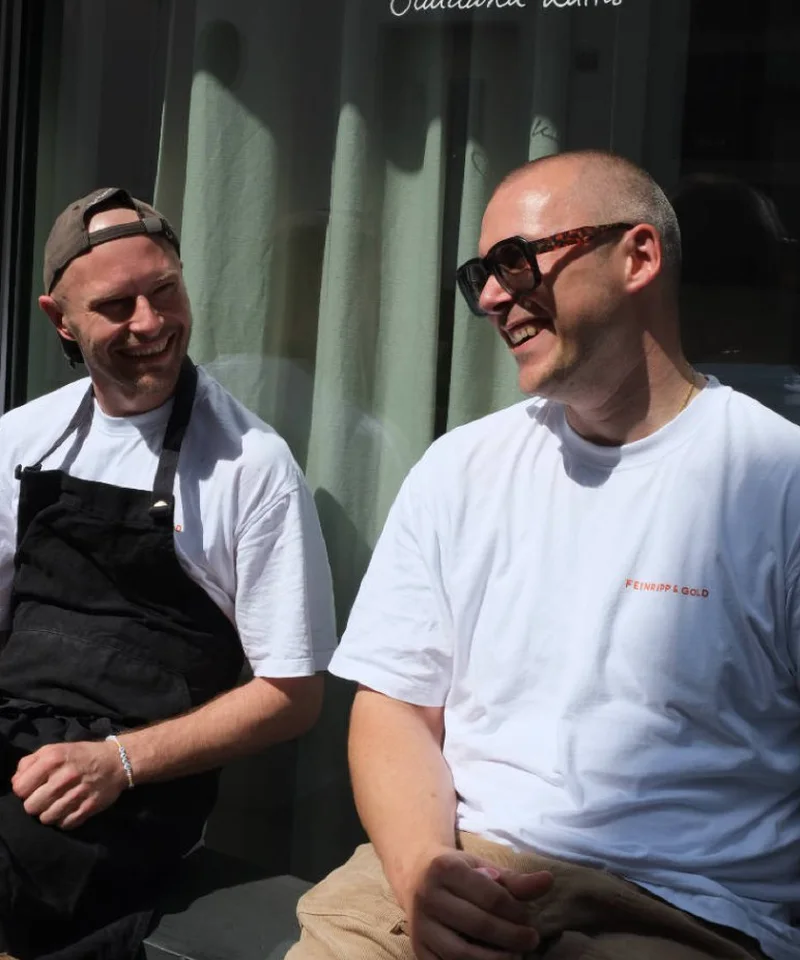
“Ordio saves us hours of planning every week. That leaves more time for the craft.”
Grischa Herbig & Caspar Krings
Feinripp & Gold
“With Ordio we finally have software that meets the specific needs of our diverse services.”
Jörg Fischer
Head of social care
Connect your integrations

Frequently asked questions about leisure & culture with Ordio
What does Ordio do for companies in leisure and culture - and for whom is it worthwhile?
Ordio bundles shift planning, time tracking and team organization for facilities with changing audiences and staff: You coordinate shifts, availability and absences in one system - instead of separate tables, chats and notes for events, seasons or opening hours. This is particularly useful if you frequently change bookings at short notice, have many roles or locations or want to document planned and actual times clearly
Which facilities typically belong to the leisure and culture sector?
These include museums, theatres, cinemas, leisure parks, fitness and cultural centers, event locations and clubs with shift or volunteer structures. What these companies have in common: highly fluctuating demand (season, weekends, premieres, festivals) and teams made up of permanent employees, part-time staff and temporary workers - this is exactly where a shared platform for planning and times helps.
How to plan staff for events, trade fairs or seasonal peaks with Ordio?
You create roles, areas and shift templates in the shift plan and assign them to calendar weeks or event days. You can see availabilities and already approved absences centrally - this makes it easier to fill in if a performance is canceled or a trade fair creates additional demand. This way, staff planning for events remains transparent without you having to start over in Excel every time.
How does Ordio support associations, theaters or museums with different line-ups?
You can set teams, roles and rights so that management, office and voluntary work are clearly separated or mixed - depending on the structure. Shifts and tasks remain visible to everyone involved in the Ordio app, so that less coordination is required than via distributed channels. For typical questions about shift plan association or changing ensembles, the plan remains the common reference.
Why are spontaneous absences and seasons in leisure & culture particularly common - and how do you stay flexible?
Due to events, weather or visitor fluctuations, demand changes faster than in pure office organizations. With a digital shift plan and clear availabilities, you can identify gaps earlier and plan substitutions without losing track. You can create seasonal patterns as templates and adapt them as required - instead of having to tinker with them every week.
Do working hours have to be recorded in cultural and leisure companies?
In Ordio's core DACH markets (Germany, Austria, Switzerland), employers must document working hours systematically and comprehensibly; details and organization continue to evolve with legislation and case law - also for cultural and event companies. With Ordio, you can record the start, end and breaks digitally and submit them for evaluations and payroll preparation. More in-depth information (based on German rules): Guide: compulsory time tracking (German article); occupational safety in culture & leisure (German article).
How are shift schedules and time recording related in Ordio?
Scheduled shifts from the shift plan and stamped times from the time tracking are in one platform: you see deviations between target and actual earlier and avoid duplicate data maintenance. This is particularly helpful when time tracking culture and assignments occur at different locations or times.
Can employees view services and report absences digitally?
Yes. Via the Ordio app, employees can see their shifts, swap or submit requests depending on the setting and report vacations or illness in a structured way. For you, this means fewer queries from management and a faster response in the event of last-minute gaps - for example, if a performance or event needs to be staffed at short notice.
Is Excel or a chat group enough - when is HR planning software worthwhile?
Tables and messengers work for small, stable teams in the short term. As soon as event dates, seasons, multiple roles or high fluctuation are added, the coordination effort becomes great and proofs become confusing. Software such as Ordio centralizes schedules, availability and times for events, museums or amusement parks - so that you coordinate less and still remain transparent.
How do digital checklists help with openings, events or recurring processes?
Recurring tasks (set-up, security rounds, opening cash registers) can be mapped with checklists in Ordio so that teams use the same protocol and verification remains simpler. This complements the shift plan where it's not just about "who's there?", but about clear processes - for example before events or during technical operations.
How does Ordio deal with temporary staff, freelancers and changing teams?
You plan roles and shifts so that permanent, part-time and temporary assignments are visible in the same calendar and you recognize bottlenecks early on. Availability and absences are incorporated into shift planning - important for event staff and changing staffing levels. If in doubt, clarify special cases under collective agreements or contracts with the HR department or tax consultants.
Where is Ordio between pure time tracking and a large HR suite?
Ordio focuses on operational personnel in shift and event work: planning, recording, absences, and the app, without the need for a full HR suite. Pure clocking solutions often only cover recording; Ordio combines schedules and times so that you don't have to switch between isolated tools. For payroll and interfaces, you can add Payroll and the integrations where available.
Are there data flows or payroll - how do times get into payroll preparation?
How do you get to the next step - consulting, demo or pricing?
If you manage staff in culture, events or leisure with changing needs, it's worth taking a guided look at your day-to-day planning: and discuss specific scenarios (season, events, roles). You can find current packages and services at prices.
Get started for free & discover Ordio for leisure & culture
Create your free Ordio account in minutes, no payment details and no contract. Explore scheduling, time tracking, and team workflows directly in the product.
Questions or prefer to start together? Our team helps with setup and rollout, optionally as a personal walkthrough.